How to price your handmade creations
Published on 6 min read The 123Ventes team
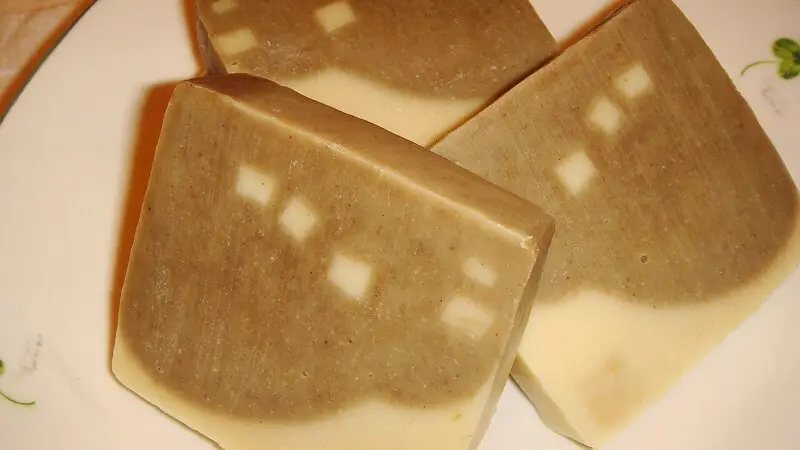
It is the question every maker asks: how much should I charge for this bowl, this necklace, this soap? You look at what others do, you don’t quite dare to ask, and you often end up selling at a loss without realising it. The hours spent in the workshop, the packaging, the website or market stall fees… all of it costs money, and your price has to cover it.
Here is a simple four-step method, with a worked example from start to finish.
Step 1: the cost of materials
Start with what you can see: everything that goes into the piece. Clay and glaze, beads and clasps, oils and fragrances, fabric and thread… Count the quantity you actually use, offcuts included.
Don’t forget what doesn’t stay in the object but is used to make it: the electricity for the kiln, moulds that wear out, blades you replace. And add the packaging: box, tissue paper, label, thank-you card. On a small piece, it can come to more than one euro.
Step 2: your time, at a fair rate
This is the most common oversight, and the most expensive one. Time yourself on a few pieces: making, finishing, photos, listing, packing the parcel. Then multiply by an hourly rate.
Which rate should you choose? Turn the question around: how much do you want to earn each month, and how many hours can you really spend making things? Part of your week goes on tasks that don’t sell anything: craft fairs, bookkeeping, social media, buying supplies. A rate that is too low means working hard for almost nothing, and never being able to hire help or take time off.
Step 3: the workshop’s fixed costs
Some costs don’t depend on any particular piece, but they still have to be paid: workshop rent, insurance, tools, bank charges, your online shop subscription, market pitches, an accountant.
Add them up over a year and divide by the number of pieces you expect to sell. That gives you the share of fixed costs to add to each piece. Materials + time + fixed costs is your cost price: below it, every sale loses you money.
Step 4: margin, social contributions and selling fees
The cost price is not enough: selling at that price means working just to break even. Add a margin, which lets you invest in a new tool, get through the quiet months and offer discounts at fairs.
Two items remain, both calculated on the selling price itself:
- your social security contributions: in France, as a micro-entrepreneur, a percentage of your turnover that depends on your type of activity. Check your current rate on the website of the URSSAF (the French body that collects social contributions);
- selling fees: card payment fees, plus commission if you sell on a marketplace.
Because these items are calculated on the final price, you don’t add them, you divide: if contributions and selling fees take 15% of the price, selling price = (cost price + margin) ÷ 0.85.
If you are registered for VAT, add it afterwards to display a price including VAT. Many makers starting out as micro-entrepreneurs in France benefit from the VAT exemption threshold (franchise en base) and don’t charge any; here again, the URSSAF or your accountant will tell you what applies to you.
Worked example: a stoneware bowl
| Item | Amount |
|---|---|
| Clay and glaze | €4.00 |
| Firing (kiln electricity) | €1.50 |
| Packaging and label | €1.00 |
| Time: 45 minutes at €18 an hour | €13.50 |
| Share of workshop fixed costs | €2.00 |
| Cost price | €22.00 |
| 25% margin | €5.50 |
| Price before contributions and selling fees | €27.50 |
| Selling price: €27.50 ÷ 0.85 | €32.35, rounded up to €34 |
Rounding up leaves a little room for a discount at a fair or on a set of two. And a round price is easier to remember.
If you had sold this bowl for €20, “because that’s the price you often see”, you would have lost €2 on every sale without noticing, and your time would never really have been paid for.
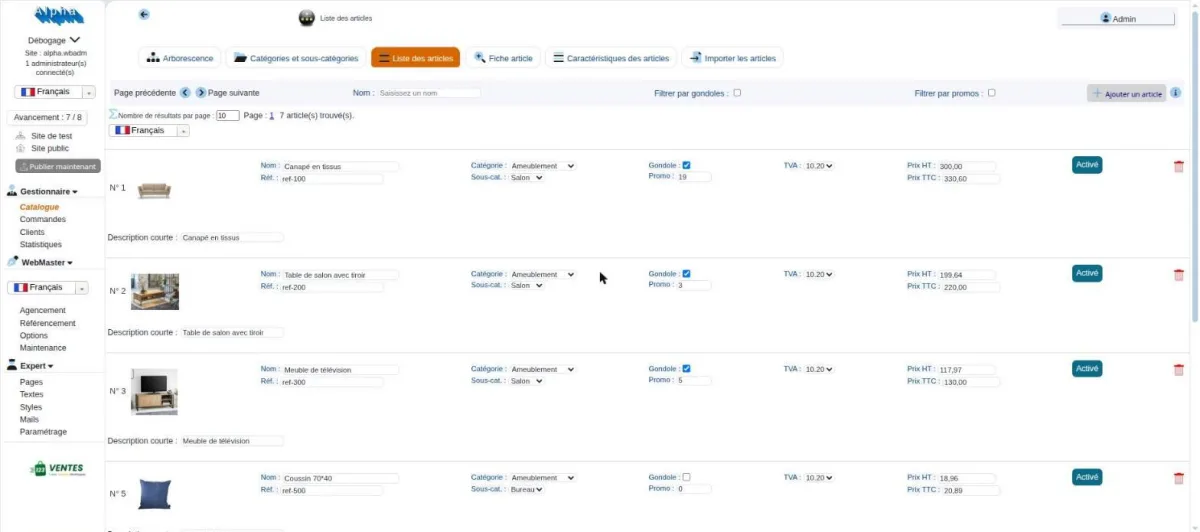
Where you sell changes your price
The same bowl doesn’t earn you the same amount depending on where it is sold:
- on your own online shop, only card fees apply: about €0.75 on €34;
- on a marketplace such as Etsy, allow about 11.6% of the price, plus €0.30 in payment fees and a $0.20 listing fee: about €4.45 on €34. See the details in Etsy or your own online shop;
- on sale or return, or through a retailer, the shop often keeps 30 to 40% of the price. You then need a separately calculated wholesale price, which must still cover your cost price.
Keep the same public price everywhere: a customer who finds your bowl cheaper elsewhere loses trust. It is your margin that varies from one channel to another, not the displayed price.
The most common pricing mistakes
- Copying other people’s prices without knowing your own costs: your materials, your time and your overheads are not theirs.
- Forgetting your time, or counting it at a token rate “because it’s a passion”.
- Forgetting the small costs: packaging, card fees, market pitches. Small one by one, they make a big difference by the end of the year.
- Selling cheaper to get started, planning to raise prices later: your first customers get used to that price, and it is hard to put it up.
- Never reviewing your prices: materials go up, you get faster, your work becomes better known. Redo the calculation once a year.
Presenting your price well
A fair price is easier to defend when you explain what goes into it. On each product page, tell the story: the material, the technique, the time spent, the one-off piece. A good photo, a text about your craftsmanship and a few customer reviews make people accept a price that the same object, poorly presented, would never have reached.
To set up your shop, follow our guide online shop for makers, and to plan your launch spending, read the budget for opening an online shop. Each craft also has its own specifics: potters and ceramicists, jewellery makers, soap makers, dressmakers, woodworkers.
Frequently asked questions
How do you calculate the selling price of a handmade item?
Add up the cost of materials and packaging, your time multiplied by an hourly rate and a share of your fixed costs: that is the cost price. Add a margin, then divide by (1 – the percentage taken by contributions and selling fees), for example by 0.85 for 15%.
What hourly rate should a maker charge?
Start from what you want to earn each month and the number of hours you can really devote to making, bearing in mind that part of the week goes on tasks that don’t sell anything: craft fairs, bookkeeping, marketing.
Should you charge the same price in your shop, on Etsy and at the market?
Yes, keep the same public price everywhere so you don’t lose your customers’ trust. It is your margin that changes depending on the channel: higher on your own commission-free shop, lower on a marketplace.
What price for sale or return?
The consignee often keeps 30 to 40% of the public price. Check that after their commission you are left with at least your cost price; if not, raise the public price or keep sale or return for certain pieces only.
How often should you review your prices?
At least once a year, or as soon as the price of a material rises noticeably. A small, regular increase goes down much better than a big rise every five years.
Conclusion
A good price is neither the lowest nor your neighbour’s: it is the one that pays for your materials, your time and your overheads, and leaves a margin to keep the workshop going. Do the calculation once for each type of piece, keep it in a spreadsheet, and review it every year.
And to keep as much of that price as possible, sell on your own shop, with no commission. 👉 Try 123Ventes for free: €29.90 a month, and every euro of your sales stays yours.