How to sell locally online: a guide for neighbourhood shops
Published on , updated on 5 min read The 123Ventes team
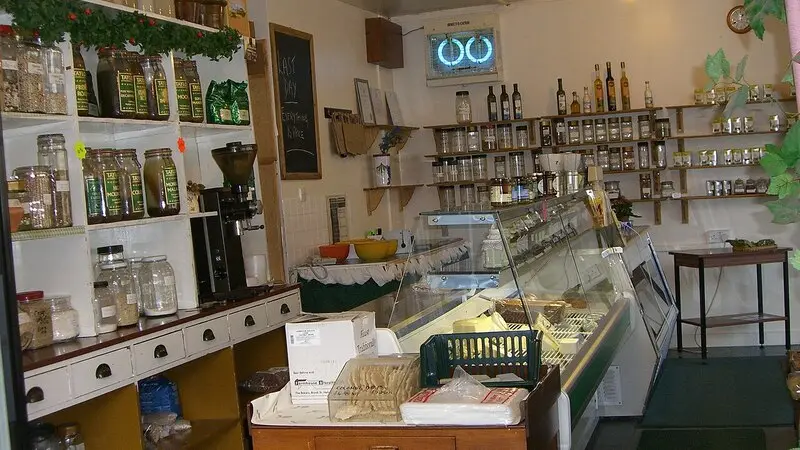
Your customers have picked up a small new habit. Before coming to see you, they take out their phone. They search for “cheese shop near me”, check your opening hours, see whether you still have that blue jumper in a medium. And if you are not online, they find someone else, sometimes 300 kilometres away.
Good news: selling online does not mean shipping parcels all over France. You can perfectly well sell online to your neighbours. Here is how to do it, simply, without giving up your evenings.
Why sell online when you have a neighbourhood shop?
Because your shop closes in the evening, while your customers do their shopping at 10 pm from the sofa. An online shop works while you sleep:
- customers can order the day before and pick up their order the next day;
- people who do not know your shop yet discover your products before they walk through the door;
- your regulars order even when they do not have time to come and browse;
- you know in advance what is going out, and you can prepare at your own pace.
And it is not just for the big chains. A potter, a delicatessen or a florist often have more to gain than a national chain, because their customers are right next door. For craftspeople, we have gathered the essentials in a guide: an online shop for craftspeople.
1. Make sure you can be found on Google Maps
Before even talking about an online shop, start with your Google Business Profile. It is free, and it is what appears when someone searches for your trade in your town.
- give your exact opening hours, including bank holidays (nothing is worse than a customer in front of a closed door);
- add real photos of your shop and your products;
- ask happy customers to leave a review, and reply to each one;
- add the link to your online shop: it is the bridge between the shop window and the basket.
2. Offer in-store pickup
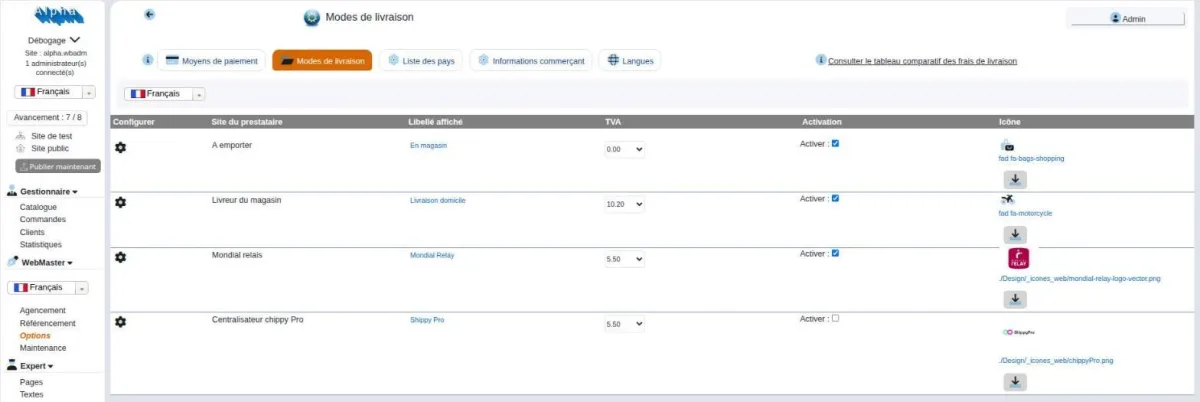
In-store pickup, also known as “click and collect”, is local commerce’s best friend. The customer orders and pays online, then comes to collect their order whenever they like.
- no shipping costs, neither for you nor for them;
- no packaging to prepare for a long journey;
- the customer comes back to your shop, and often leaves with a little something extra.
It also reassures customers who are wary of buying online: they know they will see you in person.
3. Deliver around your area
For customers who cannot come to you, you have several options:
- parcel pickup points (Mondial Relay, for example): cheap, and there is one in almost every neighbourhood in France;
- Colissimo or Chronopost for home delivery;
- your own delivery round: if you already drive through the neighbouring villages on Tuesdays, you may as well make the most of it.
You do not have to offer everything. Start with what is easy for you, and add the rest if customers ask for it.
4. Speak the language of your neighbourhood
For Google to understand that you are “the coffee roaster in Montélimar” and not just another coffee website, you have to tell it:
- mention your town and your neighbourhood on the home page and on your “about” page;
- describe your products in your customers’ words: people search for “handmade candle”, not “slow-burning lighting device”;
- write a different description for each product, even a short one;
- talk about what roots you locally: nearby producers, things made in your workshop, the markets where people can find you.
5. Bring your customers back
A local customer is a customer who can come back every week. They still need to think of you:
- a newsletter from time to time: this week’s new arrivals, the new collection, your August closure;
- social media, with a link to your shop in every post;
- a text message for special occasions, without overdoing it: nobody likes being woken up by a promotion on socks.
6. Accept the payment methods your customers know
Your neighbourhood customers are a varied bunch. Some pay with their phone, others still keep a chequebook in the hall drawer (cheques are still used in France). Offer card payment, PayPal, bank transfer and, why not, cheques. Every extra payment method means one fewer customer abandoning their basket.
Mistakes to avoid
- Waiting until your whole catalogue is online. Start with your 20 best products and add the others as you go.
- Dark photos taken between two customers. A window, daylight and a plain background are enough.
- Opening hours or prices that are out of date. A customer who makes the trip for nothing does not come back.
- A hidden online shop. Mention it at the till, put the address on your bags, your business cards and your shop window.
How much does it cost?
Much less than you might think. With 123Ventes, the subscription is €29.90 a month, or €319.90 a year, with no commission on your sales. In-store pickup, parcel pickup points, payments and the newsletter are included. You can set up your shop with no time limit, and you only pay once you receive your first order.
To compare with other solutions, read our guide to the cost of an online shop, or our Shopify and 123Ventes comparison.
Conclusion
Selling locally online does not mean becoming an e-commerce giant. It simply means opening a second door to your shop, one that stays open in the evening and on Sundays. Your customers are already on their phones: they might as well find you there.
👉 Try 123Ventes for free and see what your shop could look like.